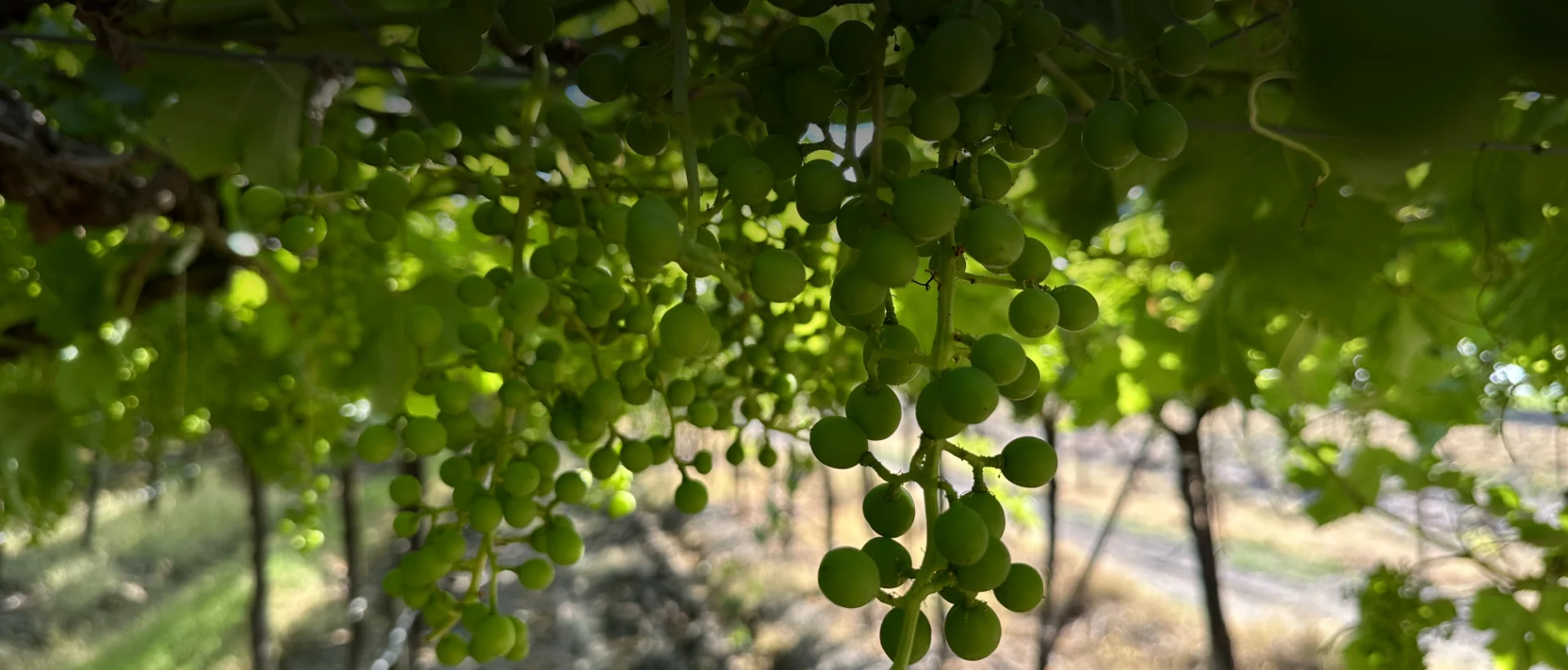


India is known for its diverse agricultural produce, and grapes are one of the country's major exports. With advancements in technology and modern farming methods, Indian grape growers are able to produce high-quality grapes that are in demand around the world. In this comprehensive guide, we will take a closer look at how Indian grapes are grown and harvested.
Choosing the Right Grape Varieties :The first step in growing grapes in India is choosing the right grape varieties. While there are many varieties of grapes that can be grown in India, some of the most popular ones include Thompson Seedless, Sonaka, Sharad Seedless, and Bangalore Blue. Thompson Seedless is a green, seedless grape that is popular for its sweet taste and crunchy texture. Sonaka is a black, seedless grape that is known for its large size and sweet flavor. Sharad Seedless is a green, seedless grape that is known for its high yield and excellent quality. Bangalore Blue is a large, round grape that is blue-black in color and has a sweet and tangy taste.
Preparing the Soil :Once the grape variety has been chosen, the next step is preparing the soil. The soil should be well-drained, with a pH level of 6.0 to 6.5. The soil should also be rich in organic matter and should be free from pests and diseases. Before planting the grape vines, the soil is plowed and leveled. Compost and other organic matter are added to the soil to improve its fertility. Once the soil is ready, the grape vines are planted at a distance of 8 to 10 feet apart.
Irrigation:Water is a critical factor in the growth and development of grapes. In India, grape growers use drip irrigation, which is an efficient method of providing water to the grape vines. Drip irrigation involves the use of tubes with small holes that allow water to drip slowly onto the soil. Drip irrigation is beneficial because it reduces water wastage and ensures that the water reaches the roots of the grape vines. It also helps to reduce the risk of fungal diseases, which can be caused by excess moisture.
Fertilization:In order to produce high-quality grapes, it is important to provide the grape vines with the necessary nutrients. Indian grape growers use a combination of organic and inorganic fertilizers to ensure that the grape vines receive the required nutrients. Organic fertilizers such as compost, cow dung, and vermicompost are added to the soil to improve its fertility. Inorganic fertilizers such as nitrogen, phosphorus, and potassium are added to provide the grape vines with the necessary nutrients.
Pruning and Training :Pruning and training are important aspects of grape growing in India. Pruning involves removing unwanted shoots and leaves from the grape vines to ensure that they receive enough sunlight and air circulation. Training involves shaping the grape vines to ensure that they grow in the desired direction. This is done by tying the vines to trellises or other support structures.
Harvesting:The time of the grape harvest depends on the variety of grape being grown. In general, grapes are harvested between June and September in India. Harvesting is done by hand, with workers carefully picking the grapes from the vine. The grapes are then placed in baskets and transported to the packing area.
Packaging and Transport :Once the grapes have been harvested, they are carefully sorted and packed for transport. In India, grapes are typically packed in boxes or crates, with each box containing around 5 to 10 kg of grapes. The boxes are then transported to the market or to the port for export. Indian grape growers have access to modern transportation facilities, including refrigerated trucks and containers, which help to ensure that the grapes reach their destination in good condition.
Summary
Indian grape farmers are using a combination of traditional farming methods and modern scientific technologies to improve their grape yields. They have started incorporating technologies such as drip irrigation, fertigation, and greenhouse cultivation. These techniques help to improve water and nutrient efficiency, control disease and pests, and increase crop yield. Additionally, farmers are working with researchers to develop new grape varieties that are better suited to the Indian climate and soil conditions. Through this combination of traditional and modern farming methods, grape farmers in India are working towards improving the sustainability and profitability of their farms.


+91 9324061941
+91 9321458753

contact@aaiwini.com

Ashwini Impex, A-403, Shree Ram Apt, Behind Milap Cinema, S.V. Road, Kandivali (W), Mumbai-400 067, India
+91 9324061941
+91 9321458753
contact@aaiwini.com
Ashwini Impex, A-403, Shree Ram Apt, Behind Milap Cinema, S.V. Road, Kandivali (W), Mumbai-400 067, India
Enter your e-mail address and stay updated with the latest information from Aaiwini


